Featured
Sep 28, 2026
How to Build a Waitlist: Step-by-Step Guide (2026)
How to build a waitlist that grows before launch: write the promise, pick a template, add referrals and a countdown, publish, get signups, then launch.
QubedRead post
How to build a waitlist, write the page, grow it with referrals and turn the list into launch-day customers. Practical, specific, no fluff.
How to build a waitlist that grows before launch: write the promise, pick a template, add referrals and a countdown, publish, get signups, then launch.
Why waitlists fail: no traffic, no clear promise, no reason to join now, an invisible referral loop, or a founder who stopped. How to fix each one.
How to stop fake waitlist signups: the three common attacks on referral waitlists and the server-side design, rate limits and checks that defeat them.
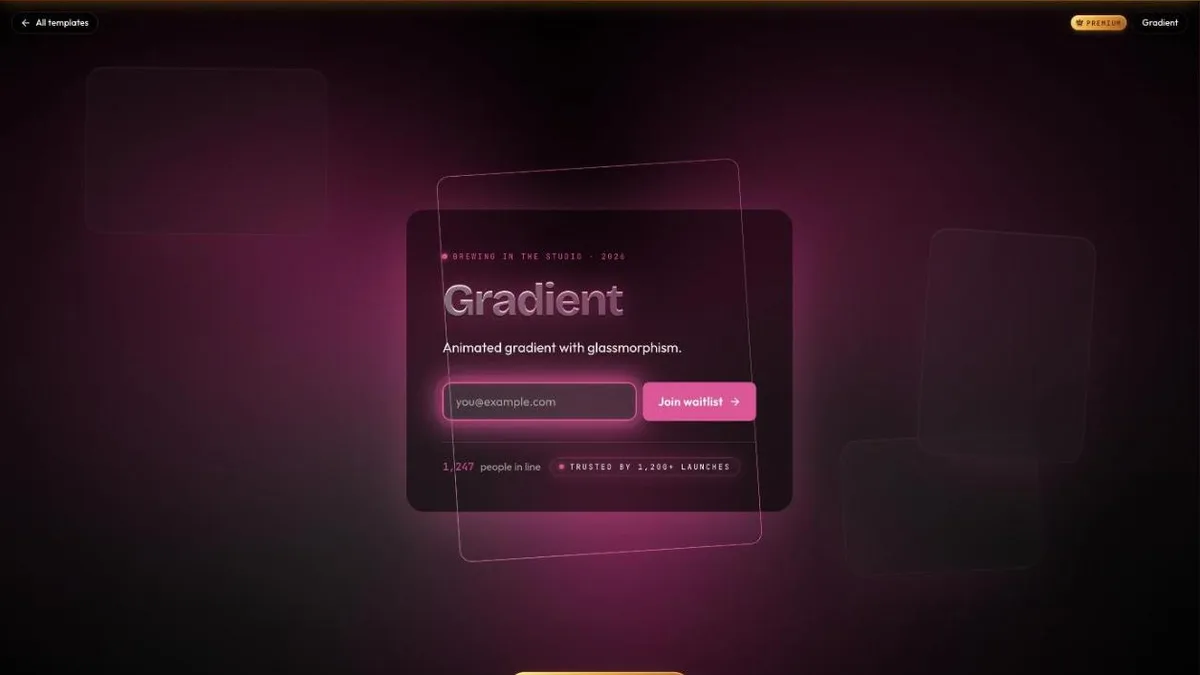
A waitlist email sequence that converts: four emails, each with one job. A welcome with the referral link, one update, a heads-up and the launch email.
Which waitlist metrics to track before launch: signup rate, share rate and where signups come from. Total signups always goes up, so it tells you little.
Custom domains are coming soon to Qubed Pro. Until then: when a waitlist is worth moving to your own domain, and when a hosted URL is the right call.
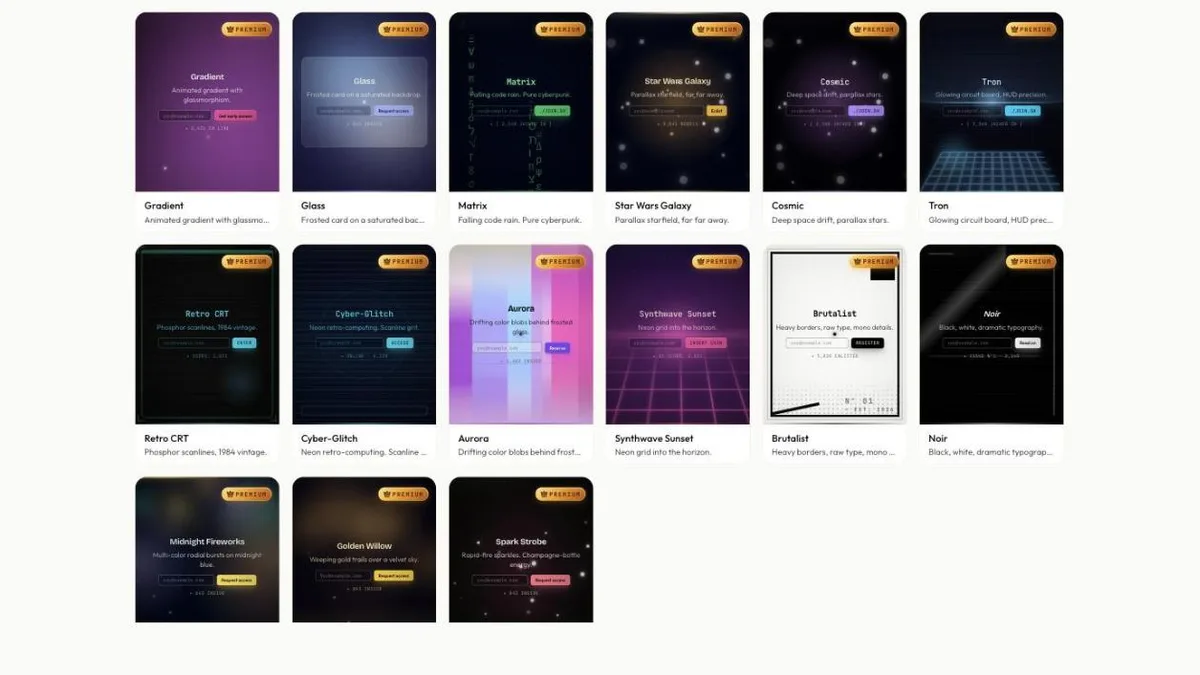
Waitlist page design has two jobs: the look tells visitors the page is for them, and the structure gets them to sign up. Pick fast, then fix structure.
Your first 100 waitlist signups come from direct messages, two communities and one useful piece of writing, not a launch platform. Here's how to run it.
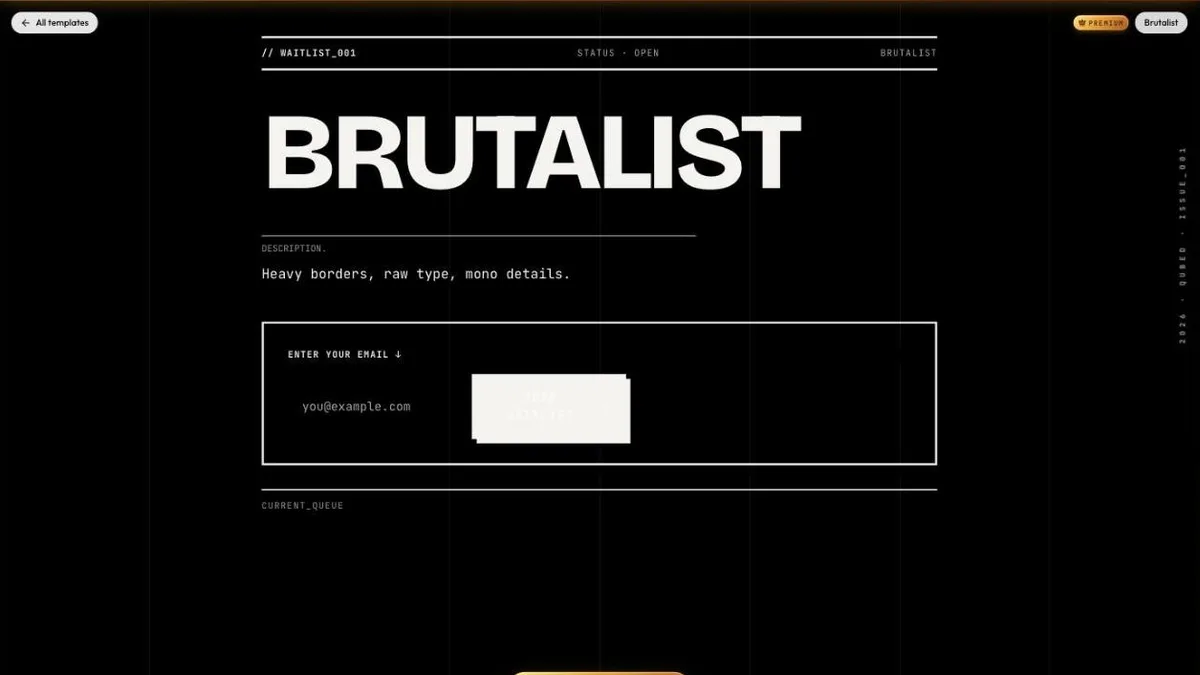
How to write waitlist landing page copy: name the outcome in six to ten words, add one line on how it works, one field, one button and a reason to join.
How a waitlist referral program works: why queue position beats discounts, why 3 spots per referral is a good default, and how to get people to share.

Waitlist marketing turns launch day into a conversion event: spend the months before it building a list of people who asked to hear from you.
Put it to work
Launch a waitlist with referrals built in — every subscriber gets a link that moves them up the line. Free, no card.